هيئة بريطانية: مضيق هرمز معطل وبيئة التهديد البحري بالمنطقة حرجة
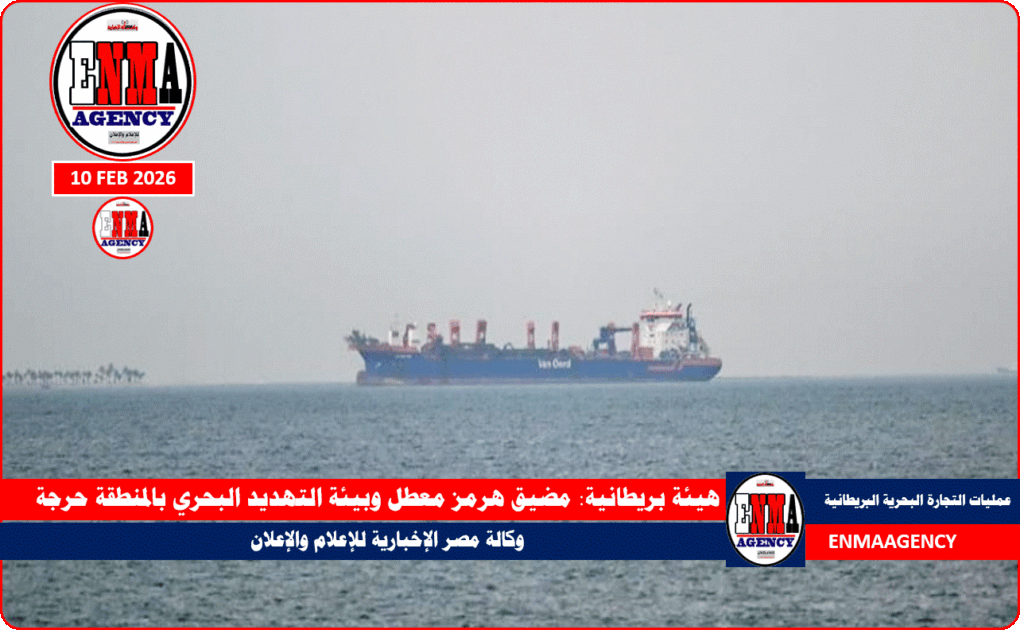
مضيق هرمز معطل وبيئة التهديد البحري بالمنطقة حرجة
وكالة مصر الإخبارية للإعلام والإعلان في الثلاثاء 10 مارس 2026م
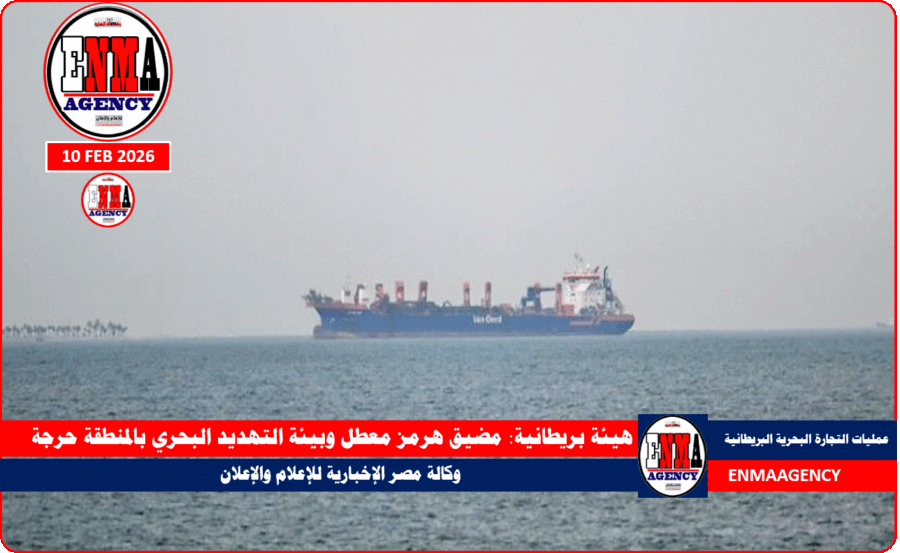
حذرت هيئة عمليات التجارة البحرية البريطانية، الثلاثاء، من أن بيئة التهديد البحري في المنطقة لا تزال عند مستوى حرج، وسط استمرار تعطل مضيق هرمز.
وقالت الهيئة، في تقييم نشرته عبر حسابها على منصة شركة “إكس” الأمريكية، إن “بيئة التهديد البحري في المنطقة لا تزال عند مستوى حرج، إذ يُرجَّح استمرار الهجمات على السفن التجارية، بينما تُعد ظروف التشغيل في البحر شديدة الخطورة”.
وأضافت “عمليا، لا يزال مضيق هرمز يعاني اضطرابا وظيفيا بالنسبة لحركة الشحن التجاري المعتادة. وتشير مستويات حركة السفن الحالية، وسلوك مالكي السفن، ومواقف شركات التأمين، إلى انهيار مستمر في الثقة بعبور السفن التجارية بشكل طبيعي”.
وهيئة عمليات التجارة البحرية البريطانية هي مركز تنسيق أمني بحري بريطاني مقره في دبي، يعمل على مراقبة وتبادل المعلومات حول التهديدات الأمنية للسفن التجارية في مناطق حساسة مثل: الخليج العربي، مضيق هرمز، البحر الأحمر، خليج عدن، المحيط الهندي.
ورغم أن التقييم أكد أنه لم تُسجَّل أي هجمات مؤكدة على سفن تجارية خلال الـ72 ساعة الماضية، إلا أنه أوضح أن التهديدات الموثوقة لا تزال قائمة في مناطق الخليج العربي، ومضيق هرمز، وخليج عُمان، والبحر الأحمر، ومضيق باب المندب، وخليج عدن.
وفي 10 مارس، وثّق تقرير الحوادث الصادر عن الهيئة سماع دوي انفجار قوي وتناثر للمياه على بُعد نحو ميل بحري واحد من سفينة الشحن “GH KAHLO” أثناء رسوّها على مسافة 36 ميلا بحريا قبالة أبوظبي، لافتا إلى أن السفينة لم تتعرض لأي إصابة أو أضرار.
وأوضح أن أنماط الحوادث الأخيرة تشير إلى حملة تهدف إلى تعطيل العمليات البحرية وبث حالة من عدم اليقين، حيث استهدفت الضربات السفن الراسية، والسفن المنجرفة، وسفن الدعم التي تستجيب للحوادث.
ونصحت بشدة السفن التجارية العاملة داخل منطقة التهديد الحرجة بالحفاظ على التواصل والتبليغ المستمر مع الهيئة، معتبرة أن “غياب الهجمات خلال الـ72 ساعة الماضية توقف عملياتي مؤقت وليس تراجعا في قدرات أو نوايا الجهة المعادية”.
وطالبت البحارة البقاء في حالة يقظة لاحتمال وجود ذخائر غير منفجرة على متن السفن المتضررة، والتعامل مع أي مقذوف مشتبه به على أنه خطر شديد.
وشددت على أن “استمرار تعطّل حركة الملاحة في مضيق هرمز يساهم أيضًا في تداعيات غير مباشرة تشمل أسواق الطاقة، والشحن البحري، ووقود السفن، والأسمدة، وتكاليف سلاسل الإمداد العالمية”.
وتسبب العدوان الإسرائيلي الأمريكي على إيران في تضرر إمدادات الطاقة، في ظل التوقف شبه التام لحركة الملاحة عبر مضيق هرمز، مع تقارير عن تكدس مئات السفن على جانبيه نتيجة المخاطر الأمنية المتزايدة.
وفي 2 مارس/ آذار الجاري، أعلن مستشار القائد العام للحرس الثوري الإيراني إبراهيم جباري، أن مضيق هرمز مغلق، وأن أي سفن تحاول عبوره ستتعرض للهجوم.
ومن المضيق الاستراتيجي يمرّ نحو 20 مليون برميل نفط يوميا، وتسبب إغلاقه في زيارة تكاليف الشحن والتأمين، وارتفاع أسعار النفط، ما أثار مخاوف من تداعيات اقتصادية عالمية.
ومنذ 28 فبراير الماضي، تشن إسرائيل والولايات المتحدة هجمات على إيران، أودت بحياة مئات الأشخاص، على رأسهم المرشد علي خامنئي ومسؤولون أمنيون، فيما ترد طهران بإطلاق صواريخ ومسيرات باتجاه إسرائيل.
كما تستهدف إيران ما تصفه بـ”مصالح أمريكية” في دول عربية، ما تسبب في سقوط قتلى وجرحى وألحق أضرارا بأعيان مدنية، وهو ما أدانته الدول المستهدفة.
المصدر: مواقع ووكالات منها. نعيد النشر ونحفظ حق الناشر بالإشارة وامكانية الوصول.
EMAA AGENCY TRANSLATIR :- https://enmaagency.com/translator/indexo.html
The British Maritime Trade Operations Authority warned on Tuesday that the maritime threat environment in the region remains at a critical level, amid continued disruption of the Strait of Hormuz.
The authority said, in an assessment published through its account on the American company “X” platform, that “the maritime threat environment in the region is still at a critical level, as attacks on commercial ships are likely to continue, while operating conditions at sea are considered extremely dangerous.”
She added, “In practice, the Strait of Hormuz is still suffering from functional disruption in relation to the usual commercial shipping traffic. The current levels of ship traffic, the behavior of ship owners, and the positions of insurance companies indicate a continuing collapse in confidence in the normal transit of commercial ships.”
The British Maritime Trade Operations Authority is a British maritime security coordination center based in Dubai, which works to monitor and exchange information about security threats to commercial ships in sensitive areas such as: the Arabian Gulf, the Strait of Hormuz, the Red Sea, the Gulf of Aden, and the Indian Ocean.
Although the assessment confirmed that no confirmed attacks on commercial ships had been recorded during the past 72 hours, it made clear that credible threats still exist in the regions of the Arabian Gulf.The Strait of Hormuz, the Gulf of Oman, the Red Sea, the Bab al-Mandab Strait, and the Gulf of Aden.
On March 10, the accident report issued by the Authority documented the hearing of a strong explosion and splashing of water about one nautical mile away from the cargo ship “GH KAHLO” while it was anchored 36 nautical miles off Abu Dhabi, noting that the ship did not suffer any injury or damage.
He explained that the patterns of recent incidents indicate a campaign aimed at disrupting maritime operations and creating a state of uncertainty, as strikes targeted anchored ships, drifting ships, and support ships that respond to incidents.
It strongly advised commercial ships operating within the critical threat zone to maintain continuous communication and reporting with the authority, considering that “the absence of attacks during the past 72 hours is a temporary operational cessation and not a decline in the capabilities or intentions of the hostile party.”
Sailors were asked to remain alert to the possible presence of unexploded ordnance on board the damaged ships, and to treat any suspected projectile as an extreme danger.
She stressed that “the continued disruption of navigation in the Strait of Hormuz also contributes to indirect repercussions that include energy markets, maritime shipping, ship fuel, and fertilizers.”and global supply chain costs.
The Israeli-American aggression against Iran caused damage to energy supplies, in light of the almost complete cessation of shipping traffic through the Strait of Hormuz, with reports of hundreds of ships accumulating on both sides of it as a result of the increasing security risks.
On March 2, Advisor to the Commander-in-Chief of the Iranian Revolutionary Guard, Ibrahim Jabbari, announced that the Strait of Hormuz was closed, and that any ships trying to cross it would be attacked.
About 20 million barrels of oil pass through the strategic strait daily, and its closure has increased shipping and insurance costs, and increased oil prices, raising fears of global economic repercussions.
Since last February 28, Israel and the United States have launched attacks on Iran, which have claimed the lives of hundreds of people, led by Supreme Leader Ali Khamenei and security officials, while Tehran responds by launching missiles and marches towards Israel.
Iran also targets what it describes as “American interests” in Arab countries, causing deaths and injuries and damage to civilian objects, which was condemned by the targeted countries.
About Author