

وزير الطاقة الأمريكي: لا موعد لبدء البحرية بمرافقة السفن عبر هرمز
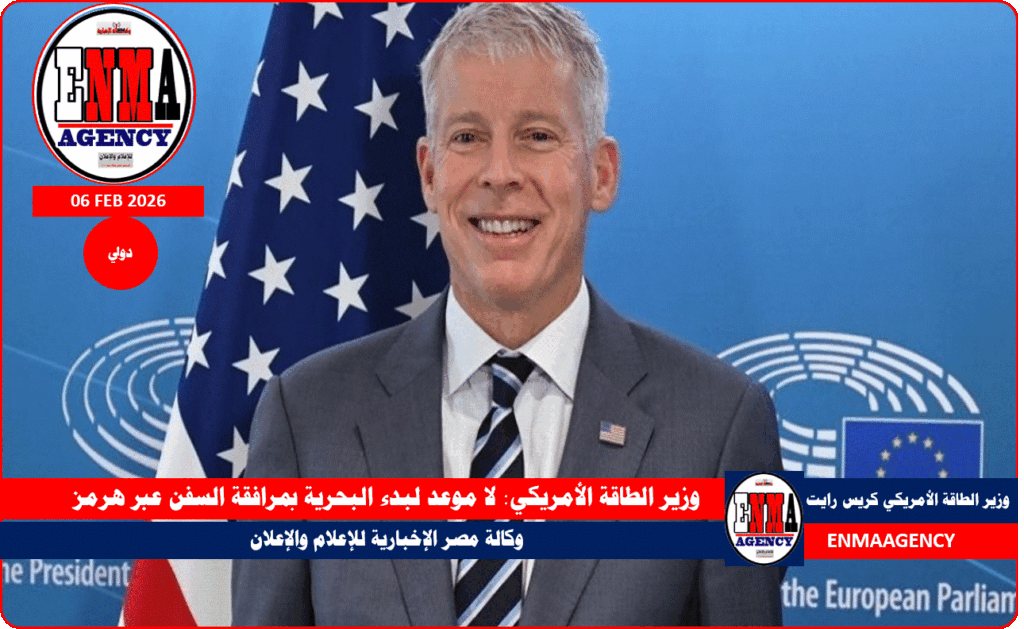
وزير الطاقة الأمريكي يؤكد لا موعد لبدء البحرية بمرافقة السفن عبر هرمز
وكالة مصر الإخبارية للإعلام والإعلان في الجمعة 06 مارس 2026م
نفى وزير الطاقة الأمريكي كريس رايت، وجود موعد محدد لبدء قوات البحرية بمرافقة الشحن وناقلات النفط لتأمين عبورها من مضيق هرمز الذي أغلقته طهران إثر العدوان الأمريكي الإسرائيلي على إيران.
جاء ذلك في مقابلة مع شبكة “إي بي سي” الأمريكية الجمعة، تزامنا مع ارتفاع أسعار النفط منذ بدء العدوان الأمريكي الإسرائيلي على إيران في الأسواق الدولية وتضرر سلاسل الإمداد.
وقال رايت: “لا يوجد جدول زمني محدد لقضية مرافقة قطع البحرية الأمريكية لسفن الشحن عبر هرمز”، في إطار حمايتها من استهداف إيراني محتمل.
وتوقع أن تتمكن بلاده “في أقرب وقت من إعادة حركة السفن إلى طبيعتها عبر الممرات المائية”.
وأردف: “سنفعل ذلك (مرافقة السفن) بمجرد أن يكون بمقدورنا، في الوقت الراهن تركز بحريتنا وقواتنا المسلحة على أمور أخرى، وهي نزع سلاح النظام الإيراني”.
لكنه كشف أنه “حتى الآن، لم تقبل أي سفن عرض المرافقة من البحرية الأمريكية”.
وتتناقض تصريحات رايت مع إعلان الرئيس دونالد ترامب الثلاثاء، أن البحرية الأمريكية ستبدأ بمرافقة الناقلات التجارية “بأسرع وقت ممكن”.
وكتب ترامب: “إذا لزم الأمر، ستبدأ البحرية الأمريكية مرافقة ناقلات النفط عبر مضيق هرمز، في أسرع وقت ممكن، ستضمن الولايات المتحدة تدفق الطاقة الحر إلى العالم”.
غير أن الموقف الأمريكي يصطدم مع الواقع الذي فرضته إيران بإغلاق المضيق أمام حركة الملاحة وإعلان السيطرة عليه.
والأربعاء، قال نائب قائد القوات البحرية في الحرس الثوري الإيراني، محمد أكبر زاده، إن مضيق هرمز أصبح تحت “السيطرة الكاملة” لجيش بلاده.
يأتي هذا التباين وسط توتر مستمر في المنطقة، فيما تؤكد الإدارة الأمريكية التزامها بضمان “تدفق الطاقة الحر”، لكن التنفيذ العملي لا يبدو واضح المعالم من حيث موعد التنفيذ.
وفي السياق ذاته، قال رايت إن أسعار النفط “ارتفعت قليلا” مقارنة بما كانت عليه قبل شهرين، بسبب قيود تدفقه عبر مضيق هرمز بسبب الحرب.
واعتبر أن هذا الارتفاع “مؤقت”، مضيفا: “نحتاج لتوفير النفط على المدى القريب، أما على المدى البعيد فالإمدادات وفيرة ولا داعي للقلق”.
وأوضح أن لدى الولايات المتحدة عددا من الإجراءات قصيرة الأجل ومؤقتة لتخفيض أسعار الطاقة، وتسعى إلى حماية مواطنيها من تقلبات الأسواق.
وتسببت الحرب على إيران بتضرر إمدادات الطاقة، في ظل التراجع الحاد في حركة الملاحة عبر مضيق هرمز، الذي يمر عبره نحو 20 مليون برميل نفط يوميا، مع تقارير عن تكدس مئات السفن على جانبي المضيق نتيجة المخاطر الأمنية المتزايدة.
ومنذ السبت تشن إسرائيل والولايات المتحدة الأمريكية عدوانًا عسكريًا على إيران، قتل فيه مئات الأشخاص، بينهم المرشد الأعلى علي خامنئي ومسؤولون أمنيون.
وترد طهران بإطلاق صواريخ ومسيَّرات باتجاه إسرائيل، كما تهاجم ما تقول إنها “قواعد ومصالح أمريكية” بدول عربية، لكن بعض الهجمات خلفت قتلى وجرحى وألحقت أضرارا بأعيان مدنية، بينها موانئ ومبان سكنية.
المصدر: مواقع ووكالات منها. نعيد النشر ونحفظ حق الناشر بالإشارة وامكانية الوصول.
US Secretary of Energy Chris Wright denied that there was a specific date for naval forces to begin escorting shipping and oil tankers to secure their passage through the Strait of Hormuz, which Tehran closed following the US-Israeli aggression against Iran.
This came in an interview with the American ABC network on Friday, coinciding with the rise in oil prices since the start of the American-Israeli aggression against Iran in international markets and the damage to supply chains.
Wright said: “There is no specific timetable for the issue of US Navy vessels escorting cargo ships through Hormuz,” in the context of protecting them from possible Iranian targeting.
He expected that his country would be able “as soon as possible to return the movement of ships to normal through the waterways.”
He added: “We will do that (escorting ships) as soon as we are able. At the present time, our navy and armed forces are focused on other matters, which is disarming the Iranian regime.”
But he revealed that “so far, no ships have accepted the offer of escort from the US Navy.”
Wright’s statements contradict President Donald Trump’s announcement on Tuesday that the US Navy would begin escorting commercial tankers “as soon as possible.”
“If necessary, the US Navy will begin a carrier escort,” Trump wroteBy sending oil through the Strait of Hormuz, as quickly as possible, the United States will ensure the free flow of energy to the world.”
However, the American position clashes with the reality imposed by Iran by closing the strait to shipping traffic and declaring control over it.
On Wednesday, the Deputy Commander of the Naval Forces of the Iranian Revolutionary Guard, Mohammad Akbarzadeh, said that the Strait of Hormuz had become under the “full control” of his country’s army.
This discrepancy comes amid ongoing tension in the region, while the US administration confirms its commitment to ensuring the “free flow of energy,” but the practical implementation does not seem clear in terms of the date of implementation.
In the same context, Wright said that oil prices “rose slightly” compared to what they were two months ago, due to restrictions on its flow through the Strait of Hormuz due to the war.
He considered this rise to be “temporary,” adding: “We need to provide oil in the short term, but in the long term, supplies are abundant and there is no need to worry.”
He explained that the United States has a number of short-term and temporary measures to reduce energy prices, and seeks to protect its citizens from market fluctuations.
The war on Iran caused damage to energy supplies, in light of the sharp decline in shipping traffic through the Strait of HormuzThrough which about 20 million barrels of oil pass daily, with reports of hundreds of ships congesting on both sides of the strait as a result of the increasing security risks.
Since Saturday, Israel and the United States of America have launched a military aggression against Iran, in which hundreds of people have been killed, including Supreme Leader Ali Khamenei and security officials.
Tehran responds by launching missiles and drones towards Israel, and also attacks what it says are “American bases and interests” in Arab countries, but some attacks left deaths and injuries and caused damage to civilian objects, including ports and residential buildings.
About Author


